
The Leadership Conversation Most People Avoid
Feb 12, 2026And why it matters more than ever.
There’s usually one conversation that can bother you.
You’ve noticed something isn’t quite right. Performance has dipped. Behaviour has changed. A pattern is forming. Nothing dramatic - just enough to make you pause.
And you think, I’ll deal with that next week.
Not because you don’t care. In fact, it’s often because you do. You value the relationship. You don’t want to knock someone’s confidence. You don’t want to create unnecessary tension. So you wait.
But in my experience, waiting rarely makes it easier.
What’s Really Going On
Avoided conversations don’t disappear the affect the atmosphere.
You sense it in meetings. You hear it peoples voice tone. You notice that you are hesitating when you speak to that person.
While you’re waiting for the “right moment”, something else is happening. Your silence is still sending a message.
When you delay addressing something as a leader, people start filling in the gaps. They assume it isn’t important. Or that it’s acceptable. Or that you’ve seen it and chosen not to address it.
None of those interpretations strengthen trust.
Most of the time, what leaders are avoiding isn’t the issue itself - it’s the discomfort of raising it.
Why Delay Feels Safer (But Isn’t)
Giving honest feedback can feel risky. You don’t know how it will land. You don’t want to be misunderstood. You don’t want to damage morale.
So instead, you rehearse it in your head. You adjust the wording. You question your tone. You convince yourself it might resolve itself.
Meanwhile, the strain of not saying anything grows bigger than the conversation itself would have been.
Being clear may feel uncomfortable for a few minutes. Being uncertainty has a far stronger impact.
A Conversation I Hear Often
I once worked with a leader who said, “I don’t want to demotivate her.”
When we discussed that, what he really meant was, “I’m uncomfortable saying something that might be taken badly.”
But by avoiding the discussion, he was already creating distance. His team member sensed something had shifted. She didn’t know what, but she knew something wasn’t right.
When he eventually addressed it - calmly and directly - her response surprised him.
“I’m glad you’ve said that. I knew something was not right.”
Very often, people already know. What they need is for you to be clear with them, not protect them from it.
An Easy Way to Do This
No need for a dramatic speech and you don’t need the perfect script.
Start with what you’ve observed. Describe exactly what happened . Explain the impact. Then invite their perspective.
“I’ve noticed the last two reports were submitted late. That’s put pressure on the rest of the team. Help me understand what’s happening.”
That tone keeps the conversation light. It avoids blame. And it signals that you’re interested in solving the issue, not winning a point.
To Sum Up
Strong leadership isn’t about avoiding tension. It’s about handling it early, calmly and fairly.
The conversations we postpone are often the ones that build the most trust when they’re handled well.
If there’s a discussion you’ve been putting off, ask yourself what it’s costing you - and your team - to keep waiting.
Clarity, delivered respectfully, protects relationships far more effectively than silence ever will.
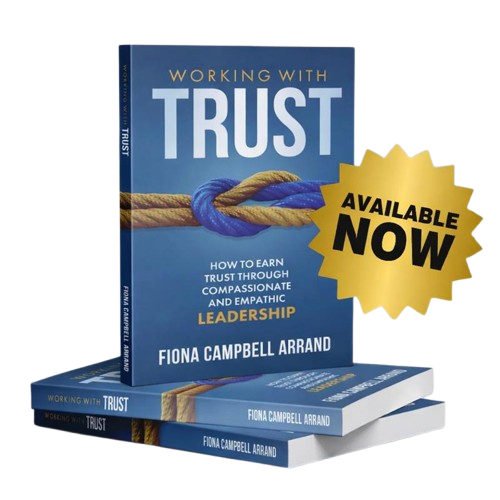
If you’d like more practical guidance on building trust through everyday leadership conversations, you may enjoy my upcoming book, Working with Trust.
___________________________________________________________________________________________________

Click here to learn more about our courses

Click Here to Learn More about our NLP Business & Coaching Community
_______________________________________________________________________________________
Fiona Campbell Arrand works with leaders and coaches to build trust, clarity and stronger workplace conversations.
BUILDING CONFIDENCE,
CLARITY AND TRUST AT WORK
Sign up now for your Free Guide.
We hate SPAM. We will never sell your information, for any reason.