
Why Coaching Skills Are Important for Leaders and Managers
Oct 30, 2026Have you ever noticed how quickly people come to you with problems when you are their manager? They want your advice, your opinion or simply for you to tell them what to do. And because you probably have the experience to help, your natural reaction is to give them the answer.
But what happens when you are always the person providing the answers?
People become used to relying on you, and before long, you can find yourself spending more time solving everyone else's problems than doing your own job.
This is one of the reasons I believe coaching skills are so important for leaders and managers. They help you move away from always telling people what to do and towards helping them think for themselves.
Being a Good Manager Doesn't Automatically Make You a Good Coach
Most managers are promoted because they are good at their job. They understand the business, know how to solve problems and have experience that other people can learn from.
But managing and coaching require different skills.
As a manager, there will be times when you need to give clear instructions, make decisions and provide advice. Coaching is different because you are helping someone explore their own thinking, consider their options and decide what they need to do.
And knowing when to manage and when to coach can make a tremendous difference to how your team develops.
If you always give people the answer, you may solve the immediate problem, but have you helped them learn how to deal with something similar next time?
___________________________________________________________________________________________________
Click here to learn more about our courses

_______________________________________________________________________________________
Coaching Helps People Take Ownership
One of the biggest challenges I hear from leaders is that their people are not taking enough responsibility.
But sometimes, without realising it, managers contribute to this by stepping in too quickly.
Imagine someone comes to you with a problem and asks what they should do. Instead of immediately giving them your solution, you could ask, "What have you thought about doing?" or "What options have you considered?"
You may be surprised by the answers.
Often people already have ideas, but they have become used to checking with you before making a decision. When you encourage them to think and talk through their options, you help them build confidence in their own judgement.
And when someone comes up with their own plan, they are often more committed to putting it into action than when they have simply been told what to do.
That is how coaching helps people take ownership.
Better Questions Lead to Better Conversations
Coaching is not just about asking questions. It is about knowing what to ask, when to ask it and, just as importantly, listening properly to the answer.
I often see managers asking a question and then answering it themselves before the other person has had time to think.
Sometimes all you need to do is pause and give someone a little more time to come up with their own answer.
You might ask, "What is getting in the way?" or "What would help you move forward?" or "What do you think is the best way to approach this?"
These are simple questions, but they can change the conversation because you are encouraging people to explore their thinking rather than waiting for your instructions.
And when you listen with genuine interest, people feel that their views matter, which also helps build trust.
Coaching Builds Trust and Confidence
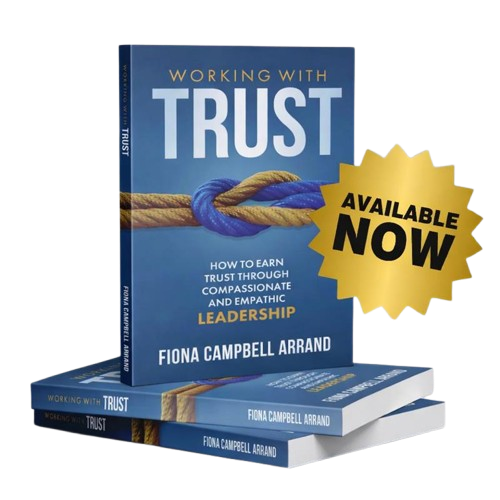
In my book Working with Trust, I talk about the importance of supporting people without taking over. As a leader, you want people to know you are there to help them, while also encouraging them to develop their own skills and abilities.
Coaching is a very practical way of doing this.
When you give someone the opportunity to think through a challenge, listen without judging and help them find a way forward, you are showing that you trust their ability to contribute.
Over time, that helps people become more confident, more willing to share ideas and more comfortable taking responsibility.
It also helps create the kind of working relationships where people feel able to ask questions, admit when they need help and have honest conversations.
You Don't Need to Turn Every Conversation into a Coaching Session
Developing coaching skills does not mean you stop managing or that every conversation needs to become a formal coaching session.
There will always be situations where someone needs a clear answer, particularly when there is a safety concern, an urgent decision or a task that needs specific instructions.
The skill is recognising when someone needs direction and when they would benefit more from thinking something through for themselves.
Sometimes one good question can be enough to change the way a conversation develops.
And the more you practise, the more natural it becomes.
A Question for You
The next time someone comes to you with a problem, notice your first reaction. Are you about to give them the answer because it is quicker and easier, or could you help them work it out for themselves?
You may find that asking one question before offering advice makes a surprising difference.
Because good leadership is not about being the person with all the answers. It is about helping the people you lead develop the confidence, skills and ability to find their own.
___________________________________________________________________________________________________
Click here to learn more about our courses
_______________________________________________________________________________________
FAQs
1. Why are coaching skills important for leaders and managers?
Coaching skills help leaders and managers develop people rather than always solving problems for them. By asking better questions and listening properly, you encourage employees to think for themselves, build confidence and take more responsibility for their work.
2. What is the difference between coaching and managing employees?
Managing involves giving direction, making decisions and ensuring work gets done. Coaching is about helping employees explore their own thinking, consider different options and find solutions. Effective leaders know when to give clear instructions and when to use coaching skills to develop their team.
3. How can managers use coaching skills to improve team performance?
Managers can use coaching skills in everyday conversations by asking questions instead of immediately giving advice, listening carefully and encouraging employees to develop their own solutions. This helps build confidence, personal responsibility and trust, while reducing people's dependence on their manager.
BUILDING CONFIDENCE,
CLARITY AND TRUST AT WORK
Sign up now for your Free Guide.
We hate SPAM. We will never sell your information, for any reason.