
Are Your Leaders Coaching, or Just Giving Advice?
Jul 16, 2026One of the things I often notice when I am working with leaders and managers is how quickly they step in to solve problems.
And I understand why.
Many leaders have been promoted because they are good at what they do. They know how to get results. They can make decisions quickly, spot what needs to happen and often see the solution before anyone else has finished explaining the problem. So when someone comes to them with an issue, it can feel completely natural to say, “Here’s what I would do.”
That might seem helpful in the moment. It may even solve the immediate problem. But over time, if this becomes the pattern, something else starts to happen. Team members stop thinking things through for themselves. They bring more and more problems back to the leader. The leader becomes the person everyone relies on for answers and before long, they feel overwhelmed, frustrated and pulled in too many directions.
This is why the difference between giving advice and coaching is so important.
Because leadership is not only about solving today’s problem. It is about helping people build the confidence, clarity and personal responsibility to solve more of tomorrow’s problems for themselves.
When Helping Starts To Hold People Back
If you are a leader, you may recognise this.
Someone comes to you with a problem. You are busy but you want to help. You can probably see what needs to happen, so you give them your answer. They leave relieved, you feel useful and the problem is solved.
But then it happens again.
And again.
Soon, you may notice the same people coming back to you for decisions they could probably make themselves. They may ask for reassurance before taking action or wait for you to tell them what to do. And although you may enjoy feeling needed, you may also start to feel as if you are doing their job for them.
This is often where leaders get stuck. They believe they are being supportive, but what they are really doing is creating dependency.
Support is not the same as rescuing.
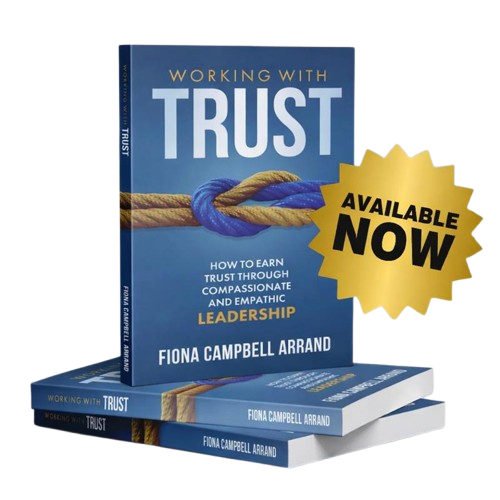
In Working with Trust, I talk about support as one of the five elements of the TRUST framework. Support is not about stepping in to fix everything for people. It is about motivating, encouraging and helping people overcome challenges while staying close enough to guide, without taking over.
That distinction really matters.
When you solve everything for someone, you may accidentally send the message, “I trust my answer more than I trust your thinking.” But when you coach them, you send a very different message. You are saying, “I believe you can think this through, and I am here to support you while you do.”
That builds confidence. It builds ownership. And it builds trust.
Advice Solves the Immediate Problem - Coaching Develops Capability.
There is nothing wrong with advice when advice is genuinely needed. Sometimes people need information, direction or a clear decision from you. If there is a legal issue, a safety concern, a time-critical decision or something outside their authority, then of course you may need to give guidance.
But many everyday leadership conversations do not need an instant answer. They need space and time to encourage the other person to think.
That is where coaching becomes powerful.
When a leader is giving advice you will hear things such as:
“I would do this.”
“You need to speak to them.”
“Send this email.”
“Try it this way.”
When coaching you are asking questions such as:
“What do you think is really going on here?”
“What have you already tried?”
“What outcome would you like?”
“What options do you see?”
“What is one small next step you could take?”
This might seem like a small difference, but the impact can be huge. When giving advice the responsibility is with the leader. When you coach it put the responsibility back to the person who brought the issue.
And that is how you develop others.
When someone hears themselves say what they think, what they want and what they plan to do next, something changes. They are no longer simply following your suggestion. They are creating their own way forward and take ownership of the next step because it came from them.
This is one of the reasons coaching conversations are so powerful in leadership. They do not just help people find answers. They help people hear themselves thinking.
Why Leaders Find This Difficult
Many leaders know they should ask more questions, but in real life, it can feel much easier to give the answer.
You may be under pressure, have ten other things waiting for your attention and think, “It will be quicker if I just tell them.” And yes, in that moment, it probably is quicker.
But its a short term win. Because if people do not learn how to think things through, they will keep coming back. The same issues will keep coming back to you and you will keep feeling responsible for things that other people should be doing themselves.
This is when you can become exhausted because you have been training everyone to bring things to you.
Coaching takes a little more time at first, but it saves time later. It helps people grow the mental muscles they need to solve problems, make decisions and take personal responsibility.
And it does something else too. It changes the emotional tone of leadership.
Instead of people feeling judged, corrected or dependent, they begin to feel trusted, feel their thinking matters and they are being developed, not just directed.
That is a very different experience.
Moving From Problem Thinking To Solution Thinking
One of the most useful things coaching does is help people move from being stuck in the problem to becoming curious about the solution.
When someone brings you a problem, they may be caught in the emotion of it and feel frustrated, uncertain, disappointed or overwhelmed. They may be going around in circles trying to figure out what is wrong, who is difficult or why something will not work.
A coaching approach helps change that thinking.
Rather than asking, “Why has this happened?” which can sometimes make people feel defensive, you can begin with questions that create clarity.
“What specifically are we talking about?”
“Who is involved?”
“What has happened so far?”
“When did this start?”
“What do you think needs to happen next?”
This kind of questioning helps separate the facts from the feelings. It gives the person space to explain what is really going on and often, as they talk, they start to see the situation differently.
This is where the leader’s role becomes less about having the answer and more about holding the conversation in a way that helps the other person find clarity.
That is a real leadership skill.
Coaching Does Not Mean Being Soft
Sometimes leaders worry that coaching means being too soft, too vague or too hands-off. It does not.
Good coaching is not about avoiding responsibility. It is not about leaving people to struggle. And it is definitely not about asking endless questions when what someone really needs is clear direction.
Coaching is about knowing when to ask, when to guide and when to decide.
It requires emotional intelligence, because you need to notice what the person in front of you actually needs. Are they confused and needing clarity? Are they capable but lacking confidence? Are they avoiding responsibility? Are they genuinely stuck? Are they asking for help, or are they handing the whole problem over to you?
These are different situations, and they require different responses.
A coaching leader is not passive. A coaching leader is actively listening, noticing patterns, asking thoughtful questions and helping the other person take the next step with more awareness and ownership.
That is not soft. That is skilful.
A Simple Tip To Try
The next time someone brings you a problem, wait before you give your answer.
Even if you can see the solution straight away, take a breath and ask one question first.
You could ask:
“What do you think would be the best way forward?”
Then listen.
Not half-listening while preparing your answer. Really listen.
Their answer will tell you a lot. It will show you how much they have already thought about it. It will show you whether they are genuinely stuck or simply looking for reassurance. It may also show you where they need development.
If they say, “I don’t know,” you do not need to jump in immediately. You could ask, “If you did know, what might be one option?” or “What have you considered so far?” Very often, people do have some thinking there. They just have not been given enough space to express it.
And if they really do not know, then you can guide them. You might say, “Let’s think this through together.” That still keeps them involved in the thinking process, rather than making you the only person responsible for the answer.
Over time, this can change the way you work with people. Instead of arriving with only a problem, they begin to arrive with options, ideas and possible next steps.
That is when you know development is happening.
Bringing It Back To Trust
Trust is built when people feel seen, heard and supported. But it is also built when people feel believed in.
When you coach rather than immediately advise, you show someone that you trust their ability to think, learn and grow. You are not abandoning them. You are standing beside them while they strengthen their own capability.
This matters even more in today’s workplace, where leaders are already dealing with constant change, new technology, uncertainty and increasing pressure. If every decision and every problem keeps coming back to the leader they become overwhelmed. People need to develop the confidence to think clearly, act responsibly and learn from what happens.
That does not happen by accident, it happens through everyday conversations.
The moment you ask, “What do you think?” instead of immediately saying, “Here’s what I would do.”
When you wait long enough for someone to find their own answer.
When you help them reflect on what worked, what did not and what they might do differently next time.
These are the skills that develop people.
Closing Thought
So, are your leaders coaching, or just giving advice?
It is an important question because the difference affects everything. Advice may solve the problem in front of you, but coaching develops the person in front of you.
And when people develop, they take more ownership, become more confident, bring better ideas and need less rescuing and more genuine support.
That is better for them and it is a lot better for you.
And it creates the kind of trust-filled culture where people do not just wait for answers, they learn how to think, contribute and grow.
___________________________________________________________________________________________________
Click here to learn more about our courses

_______________________________________________________________________________________
FAQs
1. What is the difference between coaching and giving advice?
Giving advice means offering your own answer, opinion or solution. Coaching means helping the other person think through the situation, explore their options and decide on their own next step. Advice can be useful when clear direction is needed, but coaching is more effective when the goal is to develop confidence, ownership and problem-solving ability.
2. Should leaders always coach instead of giving advice?
No. There will always be times when leaders need to give advice, make decisions or provide clear direction. The skill is knowing when to do each. If someone needs urgent guidance, advice may be appropriate. If someone is capable but unsure, coaching may help them think more clearly and take responsibility for the next step.
3. Why do leaders give advice too quickly?
Leaders often give advice quickly because they care, they are busy or they can see the solution straight away. Many have also been promoted because they are strong problem-solvers, so giving answers feels natural. The challenge is that if leaders always provide the answer, their team may become dependent on them instead of developing their own thinking.
4. How does coaching build trust?
Coaching builds trust because it shows people that their thoughts, ideas and judgement matter. When a leader asks thoughtful questions and listens properly, the other person feels respected and supported. Over time, this helps people feel more confident, more willing to speak honestly and more able to take ownership.
5. What is a simple coaching question leaders can start using?
A simple question to start with is, “What do you think would be the best way to do this?” This encourages the other person to stop, think and take some ownership. It also gives the leader useful insight into how much the person has already considered and where they may need support.
BUILDING CONFIDENCE,
CLARITY AND TRUST AT WORK
Sign up now for your Free Guide.
We hate SPAM. We will never sell your information, for any reason.