
Why Trust Breaks Down (Even When You Think You're Doing Everything Right)
coaching conversations coaching skills communication skills emotional intelligence leadership coaching nlp in business trust in leadership workplace communication Apr 15, 2026And what you can do about it in your everyday conversations
There’s something I’ve noticed over the years working with leaders and coaches.
Most people don’t set out to break trust. In fact, it’s usually the opposite. You care and you’re committed to what you do and want to do a good job. You want people to feel supported, clear and confident in what they’re doing.
And yet… something is still not right
Conversations don’t flow as easily as they used to. People agree, but don’t always follow through. You ask for input, and you get very little back. It can be frustrating, especially when you know you’re putting the effort in.
And this is where trust doesn’t break suddenly… it starts to slowly erode
What’s Really Going On
Trust often breaks down when people are uncertain.
When they are unsure about what you mean, what’s expected of them, or how safe it is to speak openly, they naturally start to hold back. You might think you’ve been clear and that you’ve explained things well.But from their perspective, their inside world can sound very different.
“I’m not quite sure what she really wants here.”
“I don’t want to say the wrong thing.”
“I’ll just keep my head down and get on with it.”
And when that happens, communication becomes guarded rather than open. That’s when trust begins to break.
A Simple Reframe
Instead of asking yourself:
“Why aren’t they more open?”
“Why don’t they just speak up?”
Try this instead: “What might be unclear for them right now?”
It’s a small shift, and yet it changes how you respond. Because now you’re not focusing on the behaviour.
You’re thinking about what can be driving that behaviour You’re recognising that what you see on the outside is influenced by what’s happening on the inside. And trust is built in how we think about someone.
A Coaching Conversation That Changed Everything
I was working with a senior leader who felt frustrated with her team.
“They just don’t speak up,” she said.
“I keep asking for input, and I get very little back.”
On the surface, it looked like a confidence or motivation issue. But when we explored it more closely, something else showed up. Her questions were open… but they were also quite broad.
“What do you think?”
“Any thoughts on this?”
And while that sounds supportive, it can actually create more uncertainty than clarity. So we refined her questions. Instead of asking: “What do you think?”
She began asking:
“What specifically do you see as the next step here?”
“Who do you think needs to be involved?”
“What would you do first if you were leading this?”
Within a couple of weeks, her team started contributing more. Not because they had changed…But because the conversation had changed. Clarity increased. And with it, trust.
What To Do Next
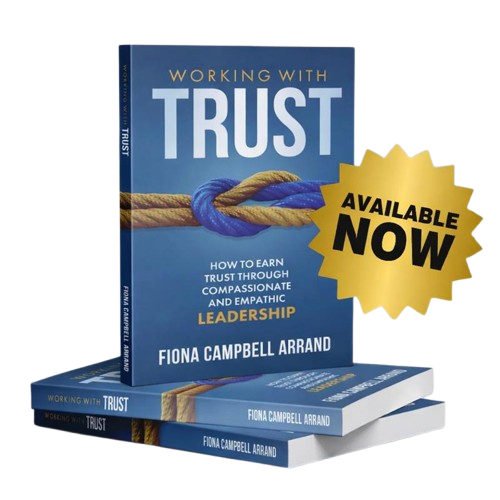
This is what I cover I my book Working with Trust In your next conversation, notice how you’re asking questions. Not to criticise yourself, just to become aware. Ask yourself:
Am I being clear enough here? Could this be interpreted in different ways? Have I made it easy for them to respond?
Then take one question and tighten it.
Make it more specific.
Make it easier to answer.
Make it clearer what you’re asking for.
Because when people understand what you mean, they relax and become more engaged.
Closing Thought
Trust isn’t built through intention alone. It’s built through how clearly, consistently and thoughtfully you communicate in everyday moments. Often, it’s not about saying more. It’s about saying things in a way that others can genuinely understand and respond to.
___________________________________________________________________________________________________
Click here to learn more about our courses

_______________________________________________________________________________________
FAQs
1. Why does trust break down even when I have good intentions?
Because trust is shaped by how your communication is received, not just what you intend. If there’s any uncertainty, people will fill in the gaps themselves.
2. What are early signs that trust is slipping?
Less contribution in meetings, vague responses, quick agreement without discussion, or a lack of challenge.
3. How do I bring trust back into a conversation quickly?
Focus on clarity. Ask more specific questions and give people space to think and respond.
4. Is this relevant for coaching as well as leadership?
Yes. Coaches often ask open questions, but if they’re too broad, clients can feel unsure rather than supported.
5. What’s one simple change I can make straight away?
Take one question you use regularly and make it more specific. That small change can make a big difference to how people respond.
BUILDING CONFIDENCE,
CLARITY AND TRUST AT WORK
Sign up now for your Free Guide.
We hate SPAM. We will never sell your information, for any reason.